How to Clean Brass Hardware Naturally: The Ultimate Eco-Friendly Guide to Restoring Shine
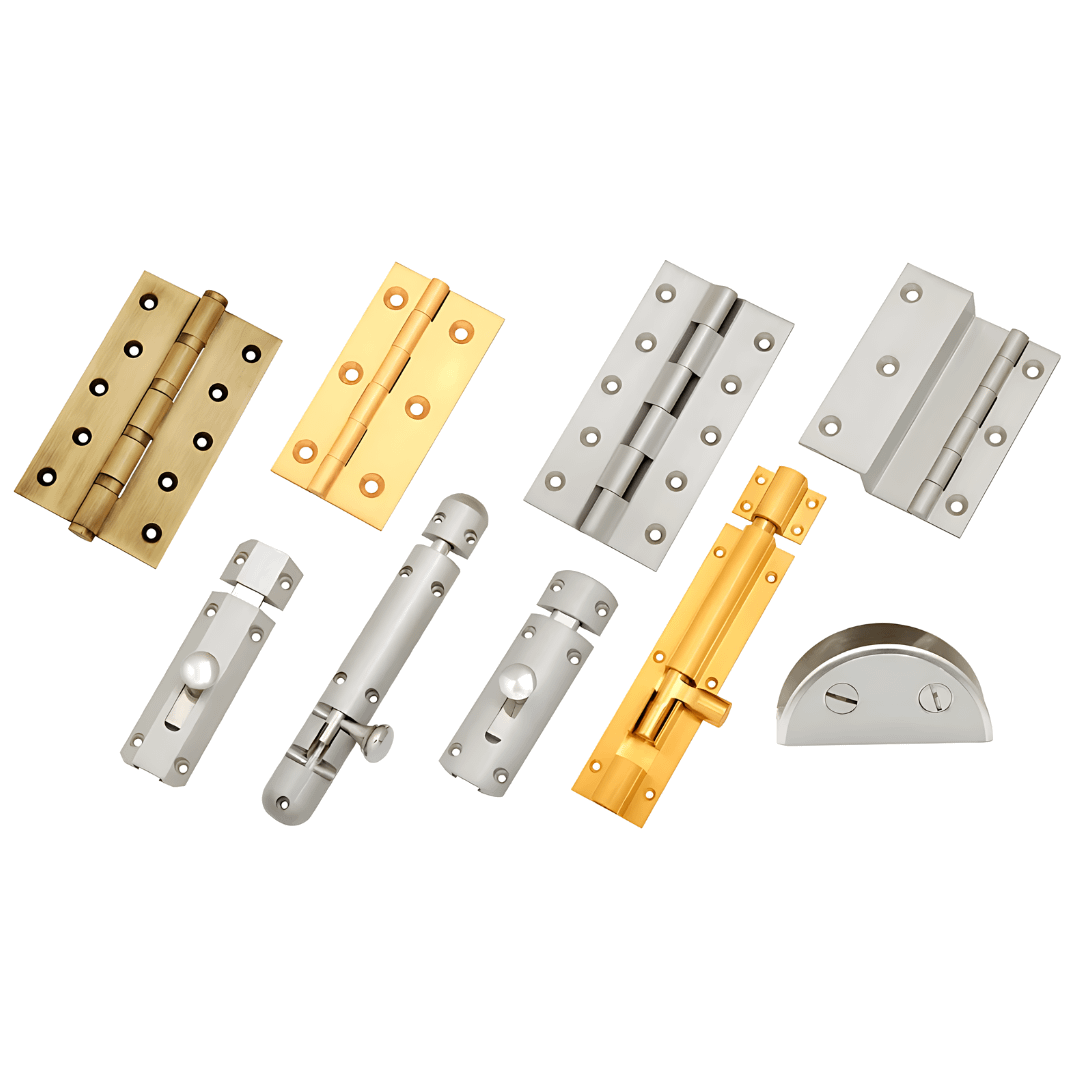
There is nothing quite like the warm, golden glow of well-maintained brass. Whether it’s the vintage pulls on your kitchen cabinets, a heavy antique door knocker, or precision-engineered industrial fittings, brass adds a touch of timeless quality.
However, brass is an alloy of copper and zinc, meaning it is prone to tarnish. Over time, exposure to oxygen and oils from your hands creates a dull, dark patina. While some love the “antique” look, most of us want that original luster back.
The good news? You don’t need harsh, toxic chemicals to get the job done. In this guide, we’ll show you how to clean brass hardware naturally using everyday pantry staples, ensuring your hardware stays beautiful without damaging the environment or your skin.
Before You Start: The Magnet Test
Before you apply any cleaning agent, you must determine if your hardware is solid brass or brass-plated.
- Grab a magnet.
- Place it on the hardware.
- The Result: If the magnet sticks, it is brass-plated steel or iron. If it doesn’t stick, it is solid brass.
Pro Tip: If it’s plated, clean very gently. Heavy scrubbing can rub the thin layer of brass right off, revealing the silver metal underneath.
Read Also: Brass Hardware Parts: The 2026 Guide to Quality, Trends, and Industrial Applications
3 Best Natural Ways to Clean Brass Hardware
1. The Lemon and Salt Method (Best for Heavy Tarnish)
This is the “gold standard” of natural brass cleaning. The acidity of the lemon breaks down oxidation, while the salt acts as a mild abrasive.
- What you need: 1 fresh lemon, fine table salt.
- The Process: 1. Cut the lemon in half. 2. Sprinkle a generous amount of salt onto the cut side of the lemon. 3. Rub the lemon directly over the brass surface. 4. For intricate grooves, use a soft toothbrush dipped in the lemon juice and salt. 5. Rinse with warm water and dry immediately with a microfiber cloth.
2. The Ketchup Method (Best for Large Areas)
It sounds strange, but it works. Tomatoes contain citric acid that reacts with the tarnish on brass.
- What you need: Plain tomato ketchup.
- The Process:
- Apply a thin layer of ketchup to your brass hardware.
- Let it sit for 30 to 60 minutes (the longer it sits, the more tarnish it dissolves).
- Wipe it away with a damp cloth.
- Buff it to a shine.
3. The “Power Paste”: Vinegar, Salt, and Flour
If you have hardware that can be removed (like cabinet knobs), this paste is incredibly effective.
- What you need: 1 tsp salt, 1/2 cup vinegar, and enough flour to make a paste.
- The Process:
- Dissolve the salt in the vinegar.
- Mix in flour until it becomes a thick paste.
- Rub the paste onto the brass and let it dry for about 15 minutes.
- Rinse with warm water and buff dry.
Expert Tips for Maintaining Brass Longevity
- Dry Thoroughly: Water spots are the enemy of polished brass. Always use a soft microfiber cloth to dry the metal completely after cleaning.
- Seal the Shine: If you want to prevent future tarnish, apply a tiny drop of linseed oil or olive oil to a cloth and wipe it over the clean brass. This creates a thin barrier against oxygen.
- Avoid Steel Wool: Never use steel wool or highly abrasive pads. They will leave permanent scratches on the soft brass surface.
How to Clean Brass Hardware Naturally (FAQs)
How do I know if my brass is lacquered?
If your brass has a very shiny, plastic-like coating and hasn’t tarnished in years, it is likely lacquered. Lacquered brass should only be cleaned with a damp soapy cloth. Using acids (like lemon or vinegar) will strip the lacquer and make it look splotchy.
Can I use baking soda on brass?
Yes! A paste of baking soda and water works well for light cleaning, but it is less effective on heavy oxidation than the acidic lemon or vinegar methods
Why is my brass turning green?
That green film is called verdigris. It happens when brass is exposed to moisture and air for long periods. The natural methods mentioned above (especially the vinegar paste) will remove it, but it may require a bit more “elbow grease.”
How often should I clean brass hardware?
For high-touch items like door handles, a quick wipe-down once a month is ideal. For decorative pieces, once or twice a year is usually sufficient.
Looking for High-Quality Brass Components?
Natural cleaning works wonders for maintaining your hardware, but the secret to long-lasting beauty starts with the quality of the metal itself. If you are looking for precision-engineered, durable, and high-grade brass parts for your next project, you need a manufacturer that understands the science of alloys.
Whether you need industrial fittings or custom components, Boltorq Brassmet delivers world-class quality that stands the test of time.
Explore our Premium Range of Brass Hardware Parts here and ensure your project is built with the best materials in the industry.


0 Comments