7 Key Advantages of Brass Cable Glands in Industry
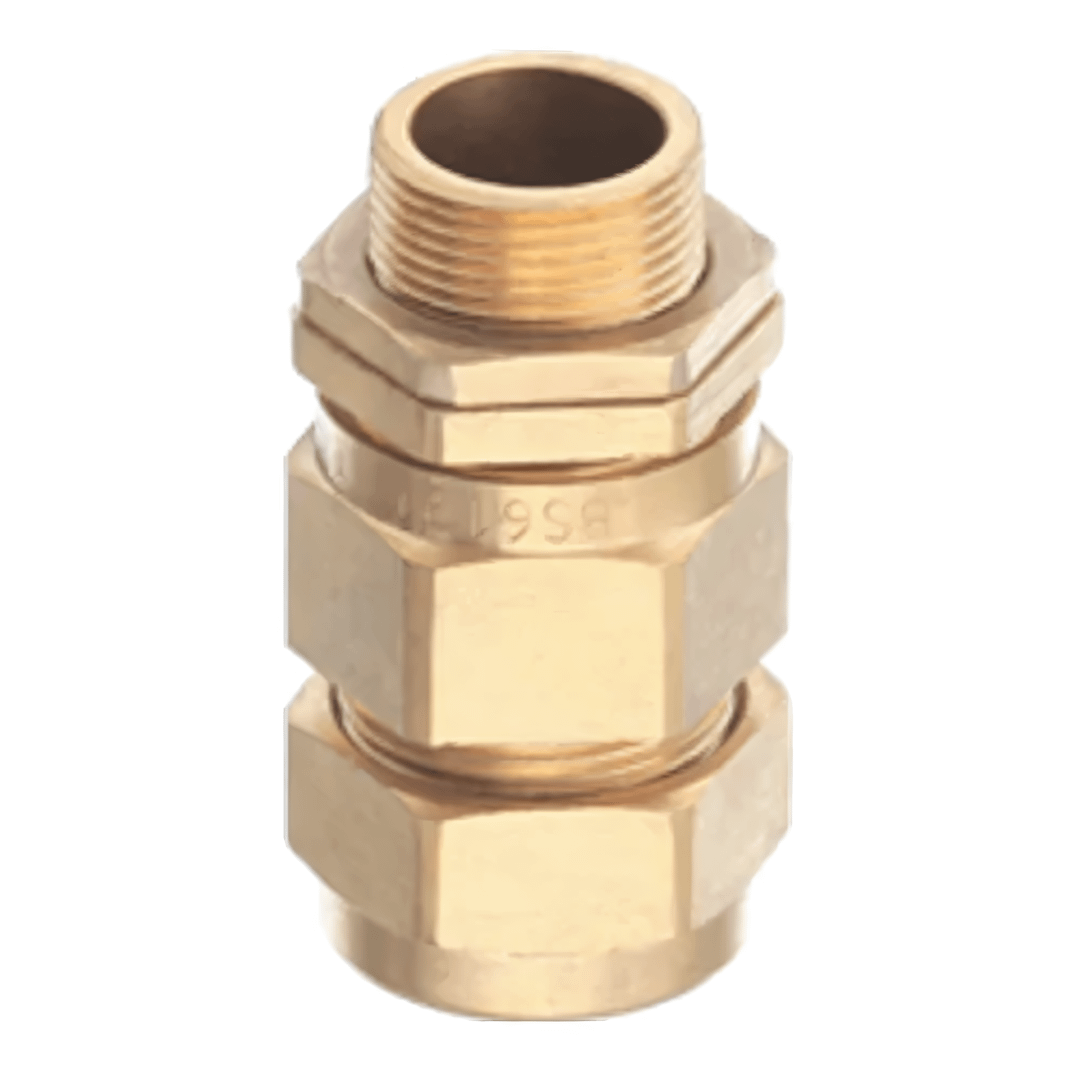
Securing electrical cables is a critical step in any industrial setup. When cables enter enclosures, control panels, or heavy machinery, they need a safe and reliable connection. This is exactly where cable glands come into play. They act as a sealing and terminating device, ensuring the characteristics of the enclosure remain intact.
Among the various materials available on the market, brass stands out as a highly preferred option. Brass cable glands offer a unique combination of physical and electrical properties that make them suitable for a wide range of demanding environments. By choosing the right material, engineers and technicians can prevent equipment failure, reduce maintenance costs, and ensure worker safety.
If you are planning an electrical installation or upgrading an existing industrial system, understanding the benefits of your hardware is essential. This guide covers the primary advantages of using brass cable glands and why they remain a top choice for professionals across multiple industries.
Durability and Strength
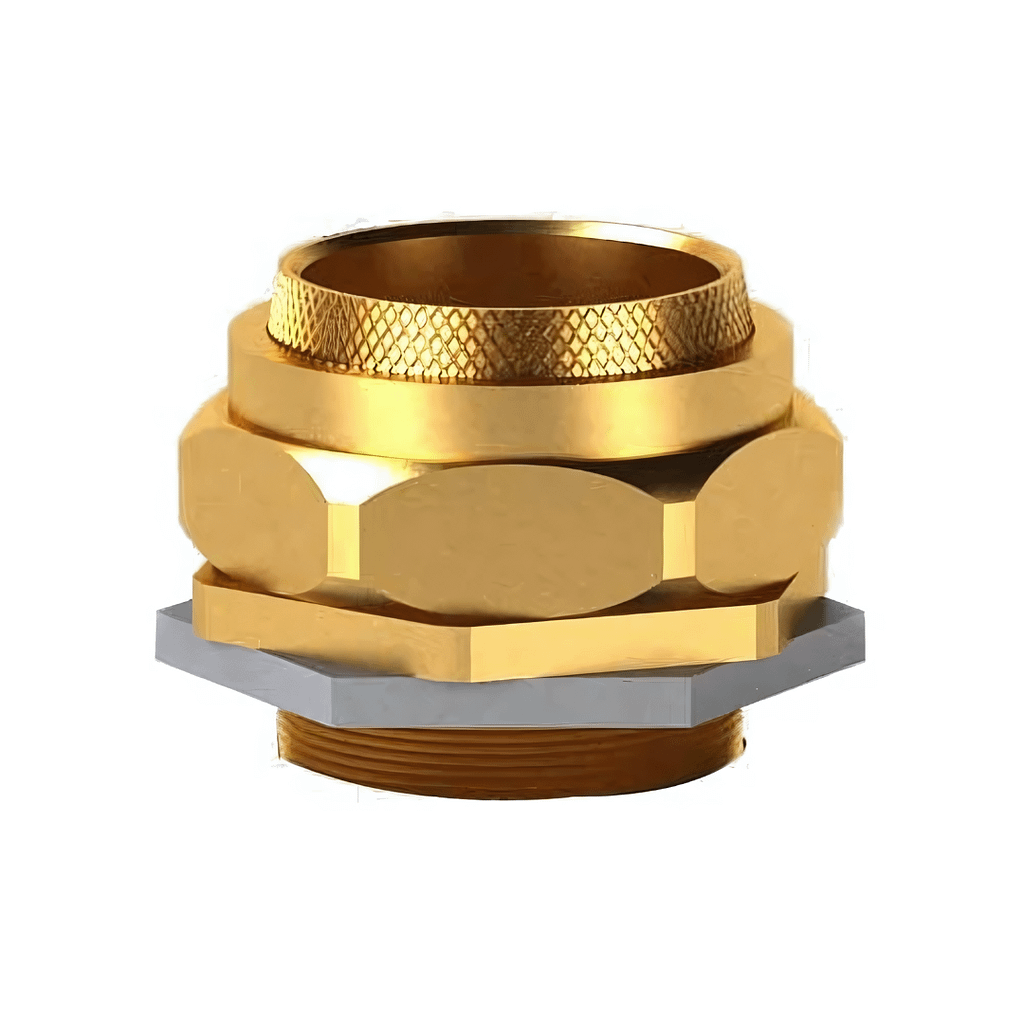
Industrial environments are often harsh, subjecting equipment to heavy impacts, vibrations, and constant mechanical stress. Brass is an alloy made primarily of copper and zinc, which gives it exceptional tensile strength. This inherent toughness allows brass cable glands to withstand significant physical abuse without cracking or deforming.
Unlike plastic alternatives, which can become brittle over time or shatter under heavy impact, brass maintains its structural integrity. This high level of durability ensures that the cable connection remains secure, preventing accidental disconnections that could halt production or cause safety hazards. When you install a brass gland, you are investing in a robust solution built to last for decades.
Corrosion Resistance
Moisture, chemicals, and extreme weather conditions can quickly degrade inferior materials. Rust and corrosion weaken the structural integrity of hardware and can eventually lead to electrical faults. Brass naturally resists corrosion, making it highly effective in damp or humid environments.
For applications that require even greater protection, manufacturers often provide nickel-plated brass cable glands. The nickel coating adds an extra layer of defense against harsh chemicals and saline environments, such as marine or offshore installations. This impressive resistance to degradation means the glands will not rust onto the cables or the enclosures, ensuring they can be safely removed or adjusted during routine maintenance.
Conductivity and Grounding Properties
Safety is the top priority in any electrical installation. Proper grounding prevents electrical shocks, protects sensitive equipment from voltage spikes, and ensures compliance with strict safety regulations. Because brass contains a high percentage of copper, it boasts excellent electrical conductivity.
This conductive nature makes brass cable glands highly effective for earthing and grounding purposes. When used with armored cables, the brass gland provides a reliable electrical path to ground. If a fault occurs, the fault current can safely pass through the gland to the earth, triggering circuit breakers and preventing catastrophic damage or fires.
Versatility in Various Environments
No two industrial applications are exactly alike. A manufacturing plant may deal with high temperatures, while an outdoor telecommunications tower faces constant exposure to UV rays and rain. Brass cable glands are incredibly versatile and can adapt to these vastly different scenarios.
They are available in a massive variety of sizes, thread types, and specifications. Whether you need an unarmored gland for a simple indoor control panel or a heavy-duty, explosion-proof gland for a hazardous petrochemical facility, there is a brass option designed for the job. Their ability to perform reliably across indoor, outdoor, and highly volatile settings makes them a universal solution for engineers.
Ease of Installation
Time is money in industrial construction and maintenance. Complicated or poorly manufactured hardware can cause significant delays during installation. Brass is known for its excellent machinability. This means manufacturers can cut highly precise, smooth threads into the glands.
Smooth threading prevents cross-threading and binding during installation. Technicians can easily screw the glands into enclosures and tighten the sealing nuts without excessive force. The straightforward installation process reduces labor time and minimizes the risk of damaging the cable or the equipment. Furthermore, the reliable mechanical grip provided by brass ensures that the cable is held firmly in place the first time, reducing the need for repeated adjustments.
Cost-Effectiveness
Budget constraints are a reality for any project. While plastic cable glands might have a lower initial purchase price, they often require frequent replacement due to wear and tear. On the other end of the spectrum, stainless steel offers fantastic performance but comes with a premium price tag that can stretch project budgets to the breaking point.
Brass hits the perfect sweet spot between price and performance. It delivers durability, safety, and longevity comparable to more expensive metals at a fraction of the cost. Because brass cable glands rarely need to be replaced, the long-term maintenance costs are incredibly low. This exceptional return on investment makes them the most cost-effective choice for large-scale industrial projects.
Make the Smart Choice for Your Electrical Installations
Selecting the right cable management components is vital for the safety and efficiency of your electrical systems. Brass cable glands offer a proven, reliable solution that checks all the boxes for industrial applications. From their impressive mechanical strength and corrosion resistance to their excellent grounding capabilities and overall cost-effectiveness, they outshine many alternative materials.
By integrating brass cable glands into your next project, you secure your cables and protect your entire operation from unexpected downtime and hazards. Evaluate your current systems, consult with your engineering team, and consider upgrading to brass to experience these long-lasting benefits firsthand.
FAQs:
What are the benefits of brass cable glands?
Brass cable glands ensure a secure, reliable connection for electrical cables entering enclosures or machinery. Key benefits include durability, natural corrosion resistance, excellent electrical conductivity, and easy installation. These features make them a versatile and effective solution for keeping industrial electrical systems safe and efficient.
How do brass cable glands compare to plastic or stainless steel?
Plastic cable glands are inexpensive but prone to becoming brittle under stress, leading to frequent replacements. Stainless steel offers high durability but is costly, which can strain budgets. Brass provides a balanced option—it combines durability and longevity comparable to premium metals with a much more affordable price point.
Are brass cable glands suitable for harsh environments?
Yes, brass is highly durable and can withstand heavy impacts and vibrations without deforming. It also resists moisture and corrosion. For extreme environments, such as marine installations or chemical plants, nickel-plated brass cable glands are available for additional protection against degradation.
What are the grounding properties of brass cable glands?
Brass, primarily made of copper and zinc, offers excellent electrical conductivity. When used with armored cables, brass cable glands create a reliable grounding path. In case of a voltage spike or fault, the current safely dissipates through the gland, protecting equipment and preventing potential hazards like fires.
Why is installing brass cable glands easy?
Brass is highly machinable, allowing manufacturers to create smooth, precise threads that minimize cross-threading and binding. This makes installation quicker and reduces the risk of damaging cables, as technicians can secure the glands with minimal effort.


0 Comments