Brass Valves: A Comprehensive Overview of Function, Failures, and Future
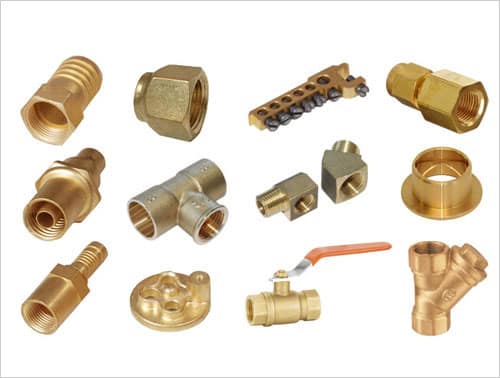
Explore the critical role, common vulnerabilities, and innovative future of brass valves in essential systems.

Article Sections
- I. Introduction
- II. Historical Context
- III. Common Failures
- IV. Lead-Free Transition
- V. Innovations & Future Trends
- VI. Best Practices
- VII. Conclusion
I. Introduction: The Essential Role and Vulnerabilities of Brass Valves
Brass valves are critical, often overlooked components that control the flow of liquids and gases in residential, commercial, and industrial settings. Valued for their toughness and corrosion resistance, they are essential for managing water, gas, and oil. Despite their reliability, brass valves are susceptible to various failure mechanisms that can lead to costly disruptions. This summary details their history, common failure modes, modern challenges, future innovations, and best practices for maintenance.
II. Historical Context of Brass Valves
The use of brass and bronze for fluid control dates back to antiquity, with the Romans employing bronze valves in their aqueducts. Leonardo da Vinci also conceived designs for brass water control. The Industrial Revolution significantly increased demand for robust valves due to the advent of steam engines and factories, leading to design advancements and early standardization. By the mid-20th century, material science enabled specialized alloys, and rigorous quality and safety standards, such as ISO and ASME, were developed.
III. Common Brass Valve Failures
Brass valves are prone to several failure mechanisms:
Dezincification (“Pink Plague”)
- Mechanism: Zinc atoms leach out of the brass alloy, leaving a weakened, copper-rich, porous structure, often with a salmon-pink discoloration.
- Causes: High zinc content (over 15%), corrosive water (acidic, alkaline, high oxygen or chlorides), high temperatures, and stagnant water.
- Consequences: Localized “plug-type” holes or uniform thinning of the valve structure, compromising integrity and leading to leaks or failure.
- Prevention: Specifying Dezincification Resistant (DZR) brass alloys, managing water chemistry, and minimizing exposure to corrosive elements.
Stress Corrosion Cracking (SCC)
- Mechanism: Cracks propagate due to a combination of tensile stress and a corrosive environment. Historically known as “season cracking” in cartridge cases.
- Causes: Tensile stress (residual from manufacturing or induced by over-tightening) and corrosive environments (often involving ammonia or specific chemicals).
- Consequences: Slow, silent crack propagation leading to sudden, brittle failure without prior warning.
- Prevention: Stress-relief treatments during manufacturing, proper installation techniques (avoiding over-tightening), minimizing exposure to corrosive substances, and applying protective coatings.
Wear and Tear
- Mechanism: Gradual erosion of valve material due to mechanical action and fluid flow.
- Causes: High fluid velocity, abrasive particles (sand, sediment), frequent operation, and cavitation (formation and collapse of vapor bubbles).
- Prevention: Using harder brass alloys, proper lubrication of moving parts, valve designs that minimize turbulence and cavitation, and regular maintenance.
IV. The Lead-Free Transition and its Controversies
The shift towards lead-free brass alloys (maximum 0.25% lead) for potable water applications, driven by legislation like the Safe Drinking Water Act, has introduced challenges:
- Manufacturing Complexities: Lead’s absence as a machining aid increases tool wear, production costs, and chip generation.
- Durability Debates: Some lead-free alloys may have different corrosion resistance profiles compared to leaded brass, leading to new failure modes.
- Lead Leaching Concerns: New lead-free brass products can still leach lead, especially during initial use, raising concerns for consumers and institutions like schools.
- Water Treatment Interactions: The impact of modern water treatment chemicals (chloramines, phosphates) on dezincification rates of brass alloys is under ongoing investigation.
- Material Suitability Debates: Manufacturers sometimes promote bronze over brass, citing dezincification concerns, which is a point of contention.
V. Innovations and Future Trends in Brass Valves
The brass valve industry is evolving with new technologies and regulations:
- Stricter Lead Regulations: Global mandates are reducing lead limits (e.g., EU 0.1% by 2027, Australia 0.25% by 2025, China <0.1% by 2025).
- Advanced Alloys: New “eco” brasses are emerging, using silicon, bismuth, and phosphorus as lead replacements. Examples include ECObrass CW724R and Wieland’s eco SZ3, offering improved corrosion resistance and mechanical properties.
- Protective Coatings: Advanced treatments like electroplating, epoxy, polymer, and nano-coatings enhance corrosion resistance and can provide antimicrobial properties (e.g., with silver compounds).
- Smart Valve Integration: The Internet of Things (IoT) is enabling smart valves with integrated sensors, AI, and machine learning for real-time leak detection, automatic shut-off, predictive maintenance, and smart home integration.
- Alternative Materials: Reinforced thermoplastics and lead-free aluminum alloys are gaining traction as alternatives, particularly for drinking water.
- Sustainability Focus: Increased emphasis on using recycled brass in manufacturing.
VI. Best Practices for Brass Valve Maintenance
Ensuring the longevity and performance of brass valves requires a proactive approach:
- Regular Visual Inspections: Check for wear, leaks, and discoloration (especially pinkish hues indicating dezincification).
- System Flushing: Periodically flush systems to remove sediment and debris.
- Gentle Cleaning: Clean valve exteriors with mild solutions (e.g., vinegar), avoiding harsh chemicals.
- Lubrication: Keep moving parts lubricated with silicone-based lubricants.
- Valve Exercise: Periodically operate valves to prevent sticking, particularly in hard water areas.
- Adhere to Limits: Operate valves within specified pressure and temperature limits.
- Preventative Measures: Consider DZR brass for dezincification-prone applications and use protective coatings. Implement mindful water treatment practices.
- Proper Installation: Avoid over-tightening to prevent stress-induced cracking. Ensure correct valve orientation.
- Documentation and Training: Maintain records of installations and maintenance, and train personnel on best practices.
- Timely Replacement: Proactively replace worn or damaged valves to avoid costly failures.
VII. Conclusion: The Enduring and Evolving Nature of Brass Valves
Brass valves remain indispensable components, but their susceptibility to dezincification, SCC, and wear necessitates understanding and proactive management. From their historical roots to the current challenges of lead-free transitions and the promise of future innovations in materials, coatings, and smart technology, brass valves are a dynamic field. By embracing preventative maintenance and staying informed about advancements, these essential components can continue to reliably manage critical flows.


1 Comment
Why Brass Valves Fail: Engineering Insights & Prevention Strategies - BOLTORQ Brassmet Industries · 05/02/2026 at 6:43 AM
[…] you are managing a municipal water grid or a precision HVAC system, understanding the root causes of brass valve failure is essential to reducing OPEX and preventing hazardous […]