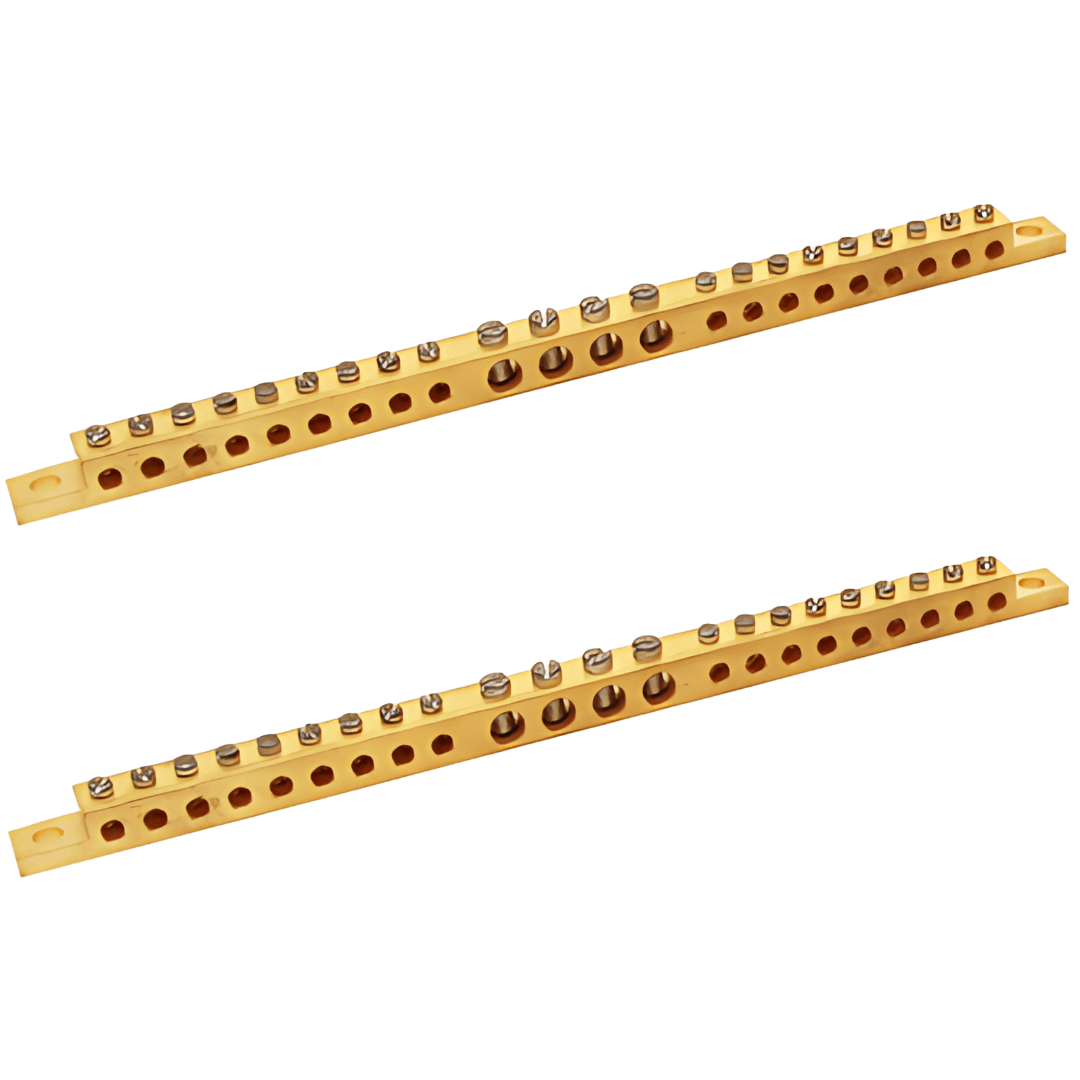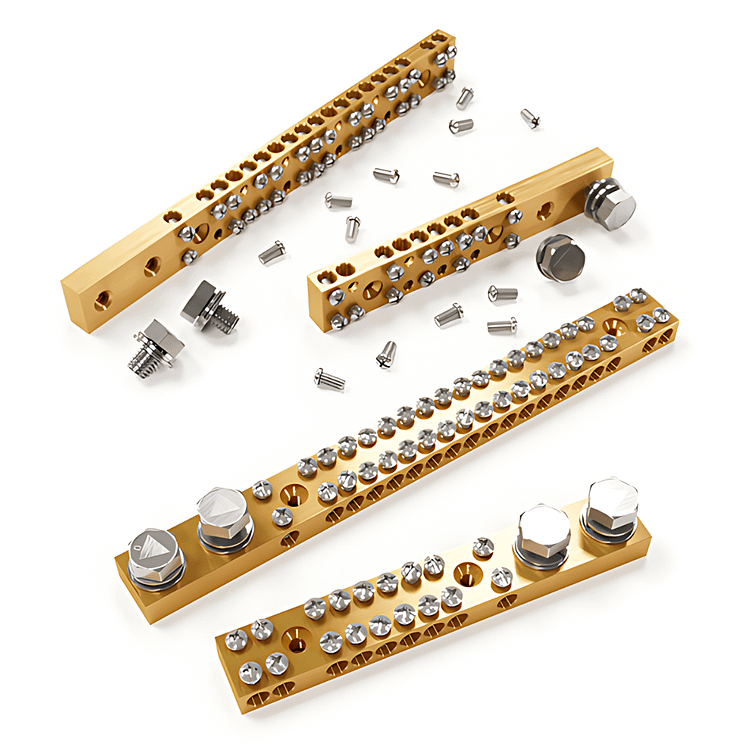
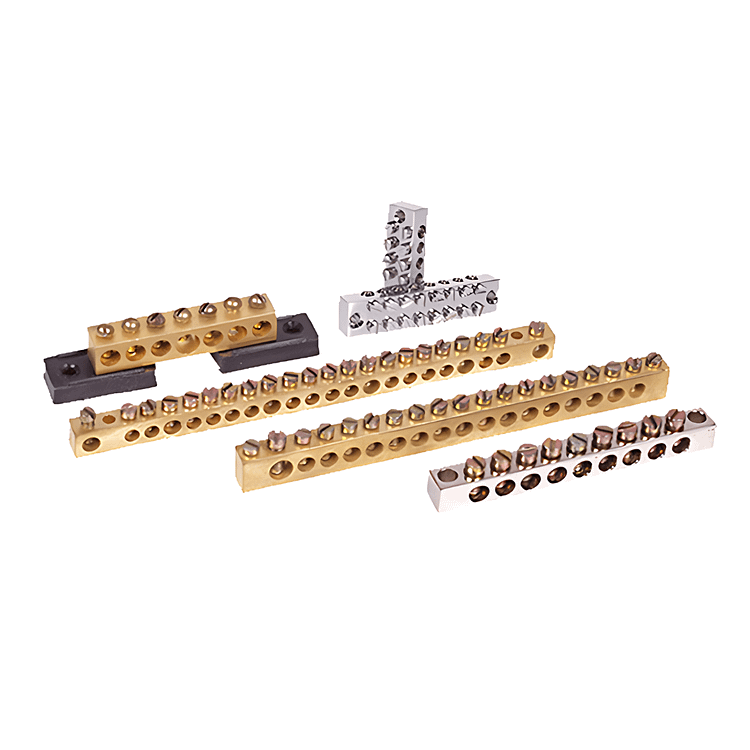
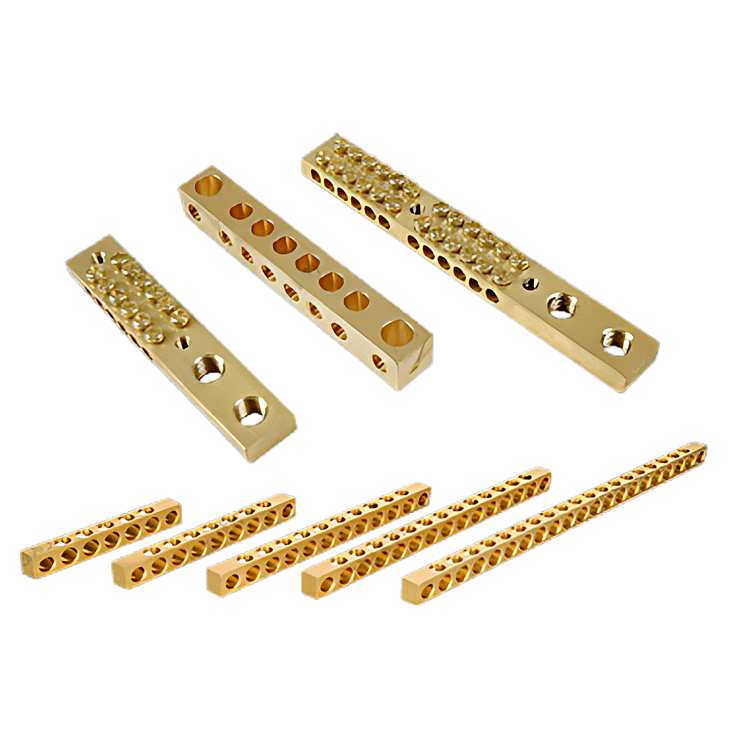
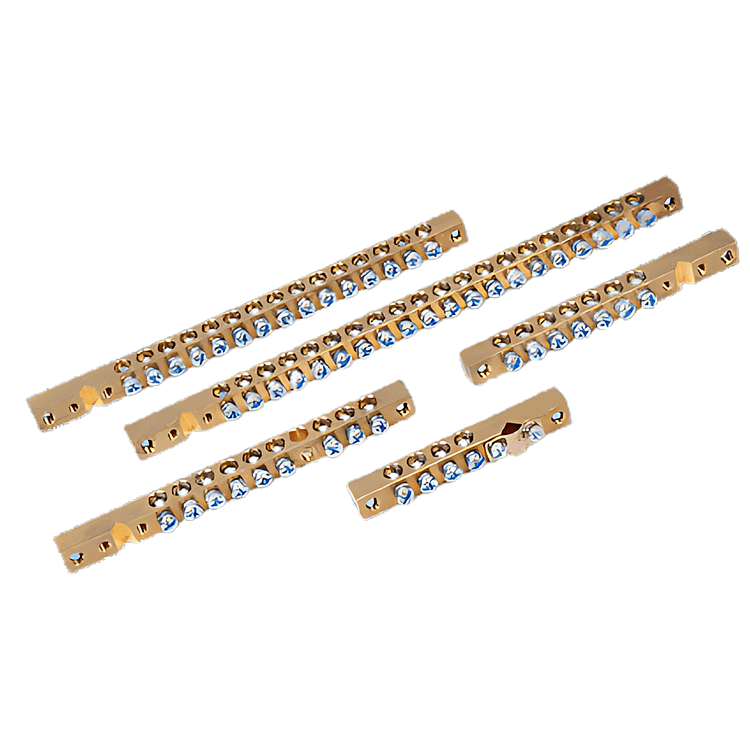
Brass Neutral Links for Electrical Panels and Switchboards
Brass neutral links are critical components in electrical distribution boards, control panels and switchboards, providing safe and stable connections for neutral conductors. These precision‑machined links, made from high‑quality brass alloys, support efficient power distribution in residential, commercial and industrial electrical installations.
Reliable Electrical Connections and Safety
Brass neutral links are designed to provide firm, vibration‑resistant connections between multiple neutral wires inside an electrical panel. Secure clamping of conductors helps:
- Maintain proper circuit continuity
- Reduce loose‑connection heating and sparking
- Improve overall system safety and performance
Consistent contact pressure and accurate threading ensure that each neutral conductor remains properly terminated throughout the life of the installation.
Corrosion Resistance for Long‑Term Performance
In electrical environments, especially in coastal, humid or industrial areas, terminal hardware must resist corrosion to remain safe and conductive. Brass neutral links offer:
- Excellent resistance to rust and oxidation
- Stable performance in moist or polluted atmospheres
- Reduced risk of surface degradation that can increase resistance
This corrosion resistance is essential for long‑life distribution boards, control panels and meter panels used in harsh conditions.
Superior Thermal and Electrical Conductivity
Effective neutral links must carry current and dissipate heat efficiently. Brass combines good electrical conductivity with strong thermal conductivity, helping to:
- Minimize temperature rise at terminations under load
- Improve heat dissipation within compact panel spaces
- Support continuous, reliable operation of circuits
By using brass neutral links, panel builders help protect breakers, cables and other components from excessive heating at the neutral termination points.
Easy Installation and Standardized Designs
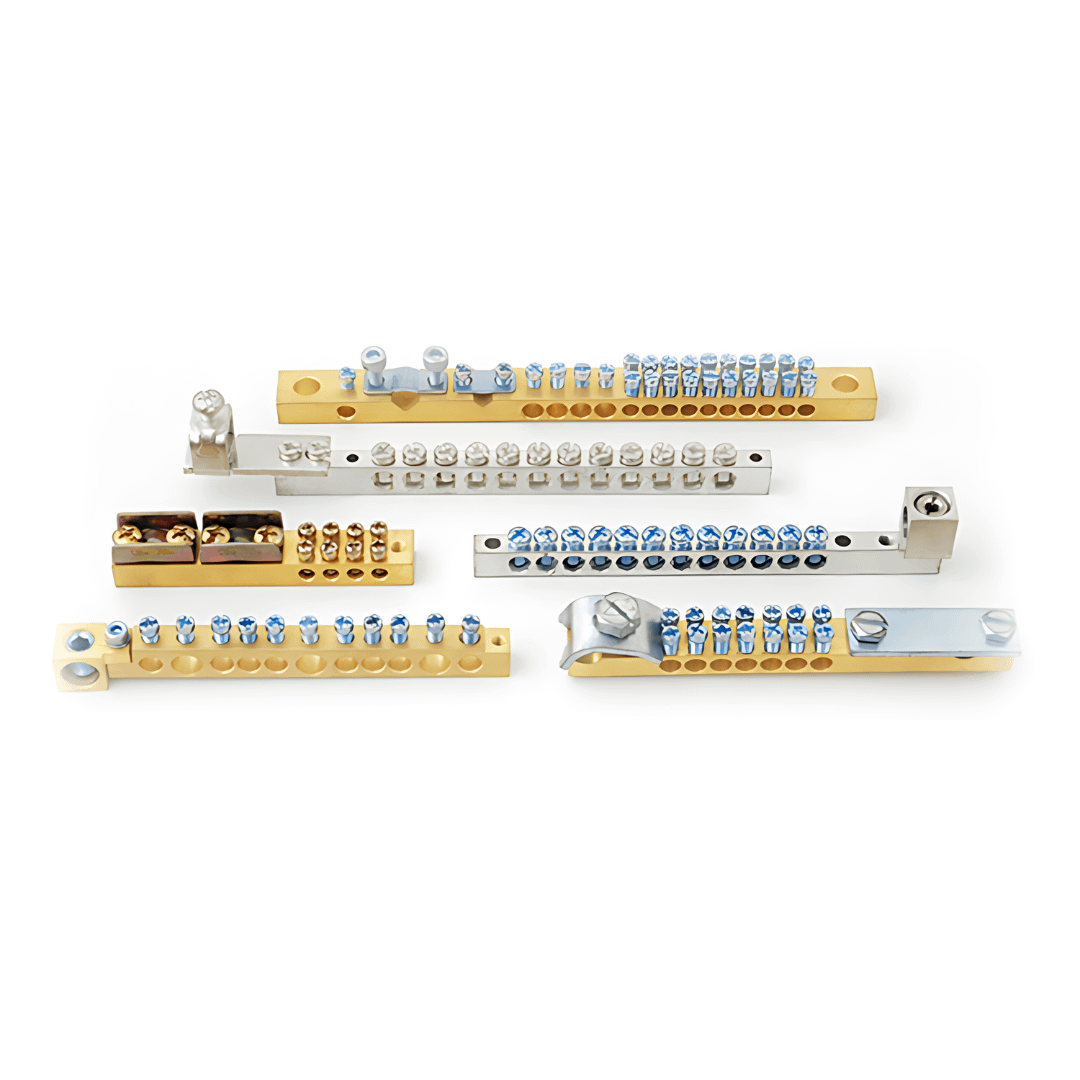
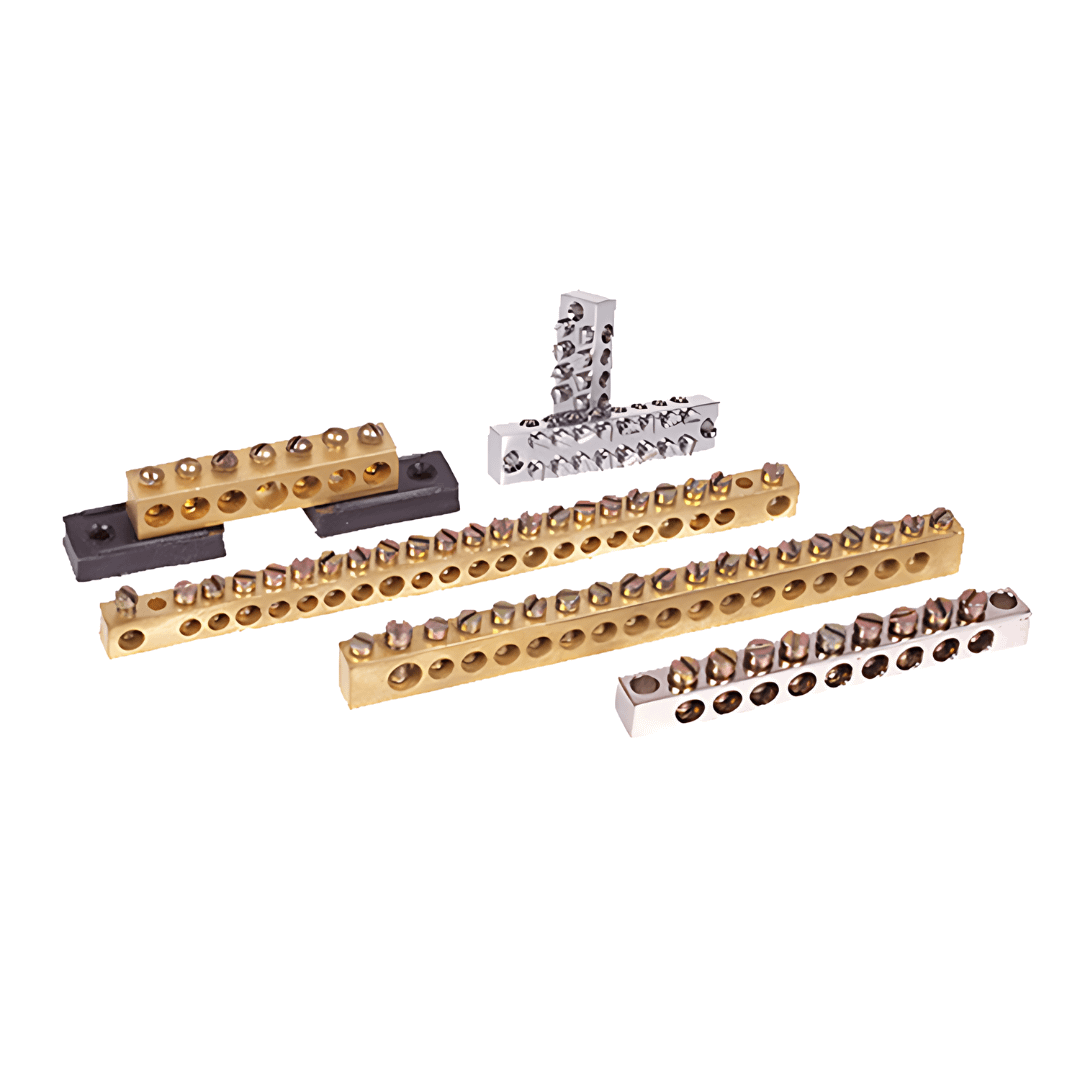
Brass neutral links are manufactured in standard sizes and pole configurations, making them simple to integrate into a wide range of panels and enclosures. Key installation benefits include:
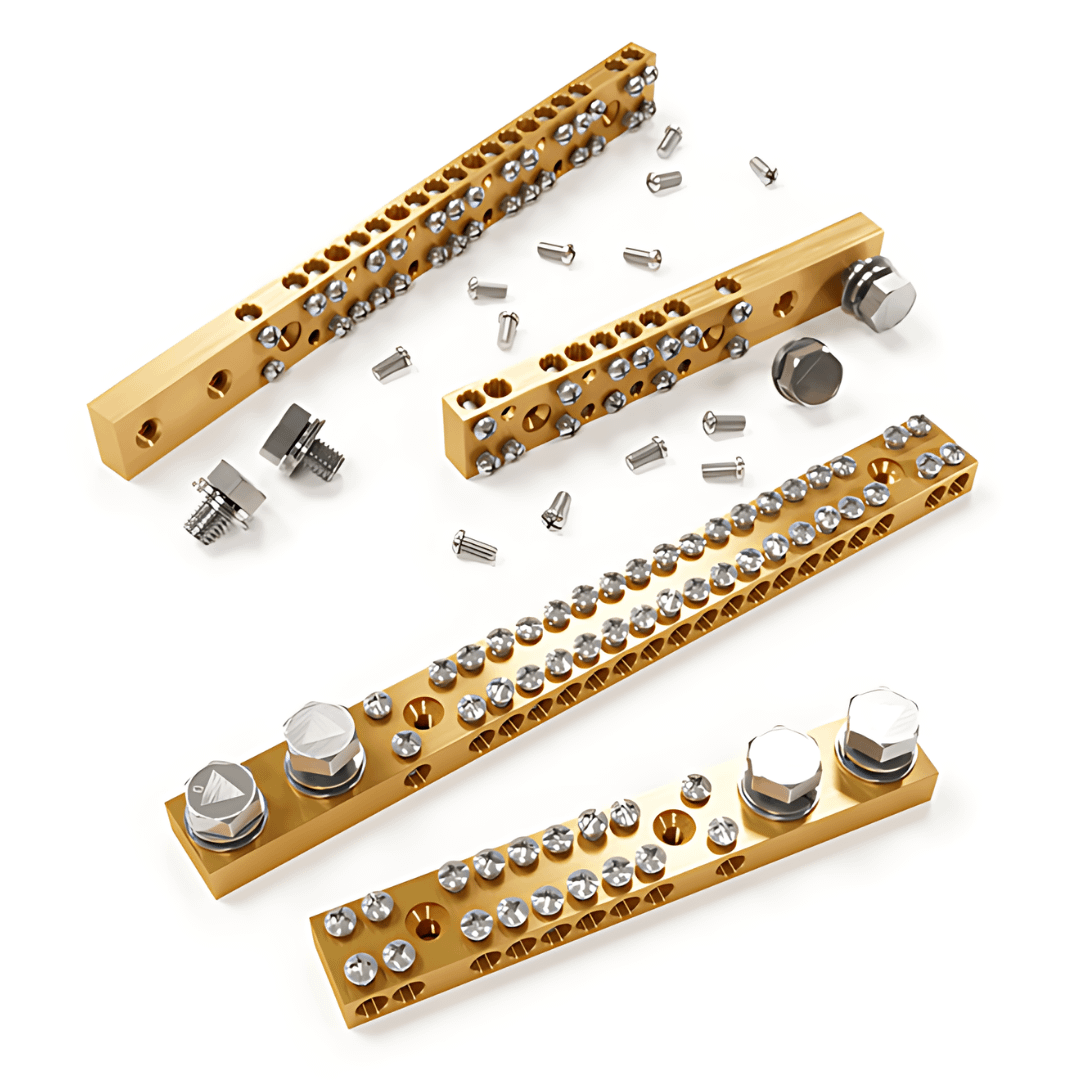
- Pre‑drilled mounting holes or bases compatible with common busbar layouts
- Multiple tapping points to accept different cable sizes
- Easy tightening of screws for fast assembly and maintenance
This installation‑friendly design helps electricians, OEMs and panel shops reduce wiring time and improve consistency across projects.
Versatile Applications in Electrical Systems
Brass neutral links are widely used across low‑voltage electrical distribution and control equipment, including:
- Main distribution boards (MDB) and sub‑distribution panels
- Control panels and machine control centers
- Metering panels, feeder pillars and junction boxes
- Residential and commercial load centers
Their versatility makes them a standard choice for panel manufacturers serving utilities, infrastructure, building projects and industrial plants.
Compliance with Electrical Standards
Quality brass neutral links are produced to meet relevant electrical safety and performance standards. This focus on compliance helps ensure:
- Adequate current‑carrying capacity for specified ratings
- Mechanical and electrical reliability for panel applications
- Safer installations that align with industry norms and inspection requirements
Using compliant neutral links supports better panel certification and easier approvals from authorities and consultants.
Sustainable and Recyclable Material
Brass is fully recyclable, making brass neutral links a more sustainable choice for electrical hardware. Recycling brass:
- Reduces demand for virgin raw materials
- Supports circular‑economy practices in manufacturing
- Helps end users and OEMs meet their environmental objectives
Sustainable material selection is increasingly important in modern electrical and infrastructure projects.
Conclusion
Brass neutral links provide a dependable solution for neutral termination in electrical panels, combining secure connections, corrosion resistance, good conductivity, and easy installation. Their use in switchboards, distribution panels and control panels helps engineers and electricians achieve safer, more efficient power distribution while supporting long‑term performance and sustainability goals.
-

- Brass Neutral Links
-
- Brass Neutral Links
-
- Brass Neutral Links
-
- Brass Neutral Links